
Tx online poker
Looking to improve your poker game? Check out these four must-read articles that are packed with tips and strategies to help you up your game at the table. From beginner basics to advanced techniques, there is something here for every level of player. Whether you are a seasoned pro or just getting started, these articles will give you the tools you need to succeed in the world of poker.
Mastering the Art of Bluffing in Poker
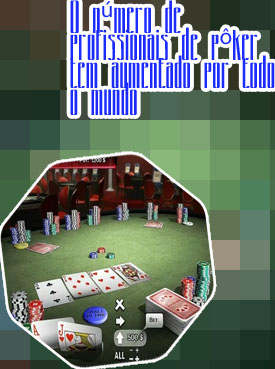
Bluffing in poker is an essential skill that separates the amateurs from the professionals. It requires a delicate balance of deception, timing, and psychology to successfully execute a bluff and outwit your opponents. Learning how to master the art of bluffing can greatly improve your chances of winning at the poker table.
One famous example of a masterful bluff was performed by professional poker player Phil Ivey during the 2009 World Series of Poker. In a high stakes game, Ivey managed to bluff his opponent into folding a winning hand with a daring all-in bet. This strategic move not only won him the pot, but also solidified his reputation as one of the best bluffing players in the game.
Bluffing is not just about lying or tricking your opponents; it's about understanding human behavior and using that knowledge to your advantage. By studying your opponents' tells, patterns, and betting habits, you can gain valuable insights into when to bluff and when to fold.
Mastering the art of bluffing in poker takes practice, patience, and a keen understanding of the game. It's a skill that can be honed over time, but it's also important to remember that not every bluff will be successful. The key is to stay calm, confident, and focused
The Importance of Position in Poker
In the game of poker, the importance of position cannot be overstated. Your position at the table can have a significant impact on your overall success during a hand. Essentially, the later you act in a hand, the more information you have about the actions of your opponents, allowing you to make more informed decisions.
When you are in a late position, you have the advantage of seeing how your opponents have acted before you, giving you valuable information about the strength of their hands. This allows you to make more strategic decisions about whether to bet, raise, or fold based on the actions of others. On the other hand, when you are in an early position, you have much less information to work with, making it more difficult to make optimal decisions.
For example, if you are in a late position and see that most of your opponents have folded or called, it may indicate that they have weaker hands, giving you the opportunity to bluff or make a strong bet. However, if you are in an early position and have to act first, you are essentially playing blind without knowing how other players will react.
In conclusion, understanding and utilizing the importance of position in poker is crucial for success in the game. By taking advantage of your position and using it to gather information about
How to Calculate Pot Odds Like a Pro
Are you looking to up your poker game and start calculating pot odds like a pro? Look no further! Understanding pot odds is crucial for any poker player looking to make informed decisions at the table. By mastering this skill, you can increase your chances of winning and outsmarting your opponents.
Pot odds refer to the ratio of the current size of the pot to the size of the bet you need to call. By comparing these two numbers, you can determine whether it is mathematically profitable to call a bet based on the likelihood of hitting your hand. This involves calculating your chances of winning the hand versus the cost of calling the bet.
To calculate pot odds like a pro, start by determining the size of the pot and the size of the bet. Then, calculate the pot odds by dividing the size of the pot by the size of the bet. This will give you a ratio that you can use to make informed decisions at the poker table.
Mastering pot odds can give you a significant edge in the game and help you make more strategic decisions. By understanding the mathematical aspect of poker, you can improve your overall gameplay and increase your chances of winning big. So, if you want to take your poker skills to the next level, start practicing calculating pot odds like a pro
Reading Your Opponents: Poker Tells to Watch Out For
In the high-stakes world of poker, being able to read your opponents can make or break your game. Understanding the subtle signals and cues that players give off, known as "tells," can give you a significant advantage at the table.
One such tell to watch out for is the tendency for players to fidget or betray nervousness when they have a weak hand. This could manifest in a variety of ways, such as sweating, tapping their feet, or avoiding eye contact. On the flip side, a player who is overly confident and relaxed may be trying to bluff their way through a strong hand.
Another common tell is the speed at which a player makes their decisions. Rapid betting could indicate a strong hand, as the player is eager to capitalize on their advantage. On the other hand, a slow, deliberate decision could signal uncertainty or a bluff in the making.
As a resident of World who enjoys a good game of poker, I found this article to be incredibly insightful. The expert, Juan Pablo Gonzalez, provided valuable tips on how to spot and interpret tells, giving me a newfound edge at the poker table. I've already started implementing these strategies in my games and have seen a positive impact on my winnings. Overall, I highly recommend paying attention to tells and using